
Are you doing SEO wrong for your Shopify store?
Many Shopify store owners invest serious time into SEO, refining product titles, rewriting descriptions, and carefully inserting keywords. On paper, they’re doing everything right. Yet traffic doesn’t grow, rankings don’t improve, and sales don’t increase.
The problem usually isn’t the effort. It’s that the optimization is happening without confirmed demand. SEO only works when you align your store with searches that already exist. If no one is looking for the keywords you’re targeting, even perfectly optimized pages won’t perform.
That’s why effective e-commerce SEO starts with one foundational principle: validate demand first. In this guide, we’ll break down how to identify what people are actually searching for, how to choose which Shopify product pages deserve your attention, and how to optimize those pages in a way that both Google and customers respond to.
Step 1– Keyword Research: Start With Demand
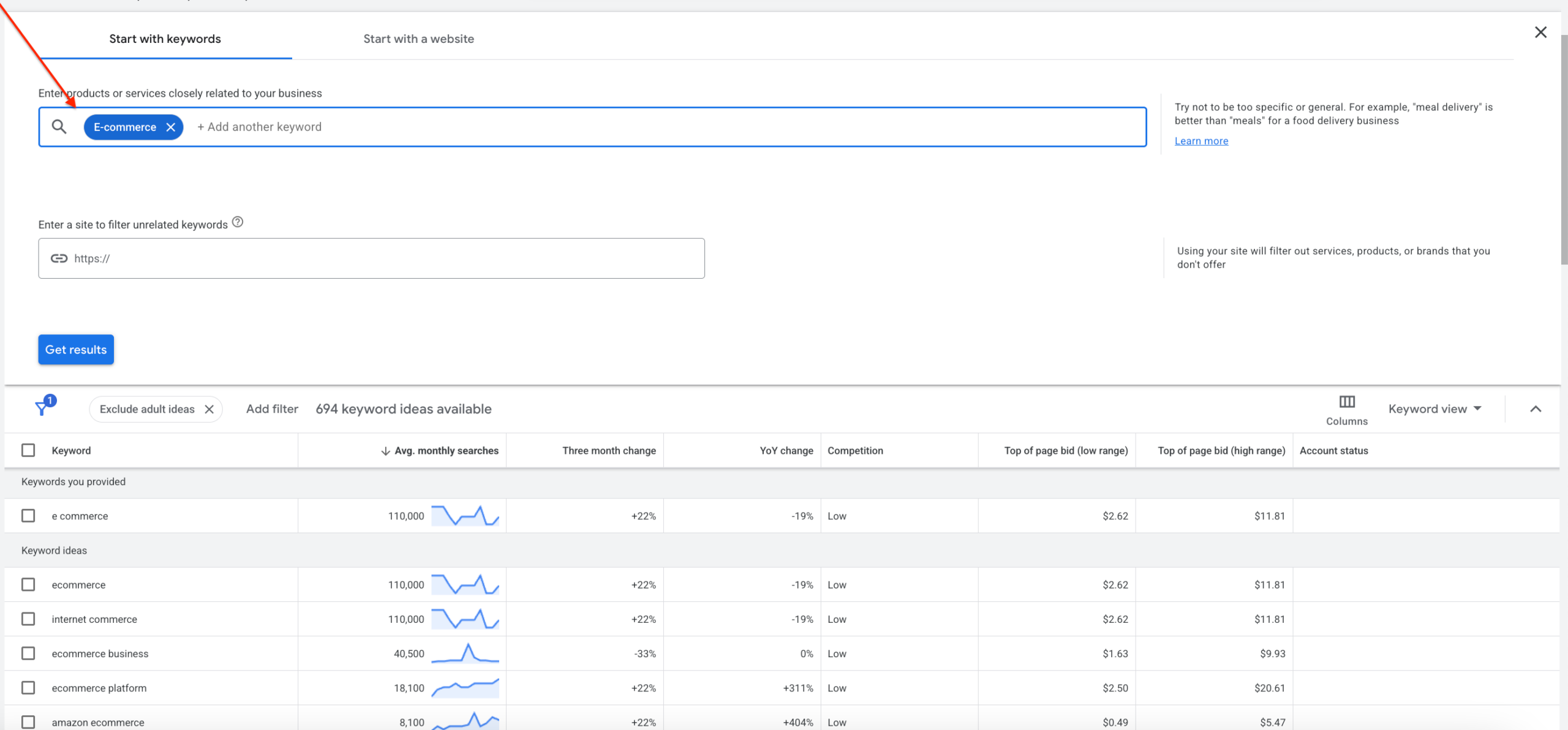
Before editing product titles or descriptions, you need to confirm that real people are actively searching for what you sell. Keyword research is simply validating demand. It’s about understanding customer language, not internal product naming and aligning your pages with real search behavior.
Instead of chasing broad, high-volume keywords that are highly competitive, focus on long-tail phrases. These longer, more specific searches reveal clearer buying intent and are often easier to rank for. A quick way to evaluate intent is to Google the keyword. If you see product listings and shopping ads, it likely has commercial value. If you see mostly blogs and guides, it may not belong on a product page.
Step 2 – Keyword Mapping: Put the Right Keyword on the Right Page
Once you’ve identified keywords with real demand, the next step is deciding where they belong. A common mistake is trying to rank multiple pages for the same keyword. This creates confusion for search engines and weakens overall rankings.
Keyword mapping solves this by assigning one primary keyword to one primary page. Broad terms typically fit collection pages, while highly specific phrases belong on individual product pages. When each page has a clear focus, Google can better understand your structure and reward the most relevant page.
Step 3 – Prioritize Product Pages That Already Make Money
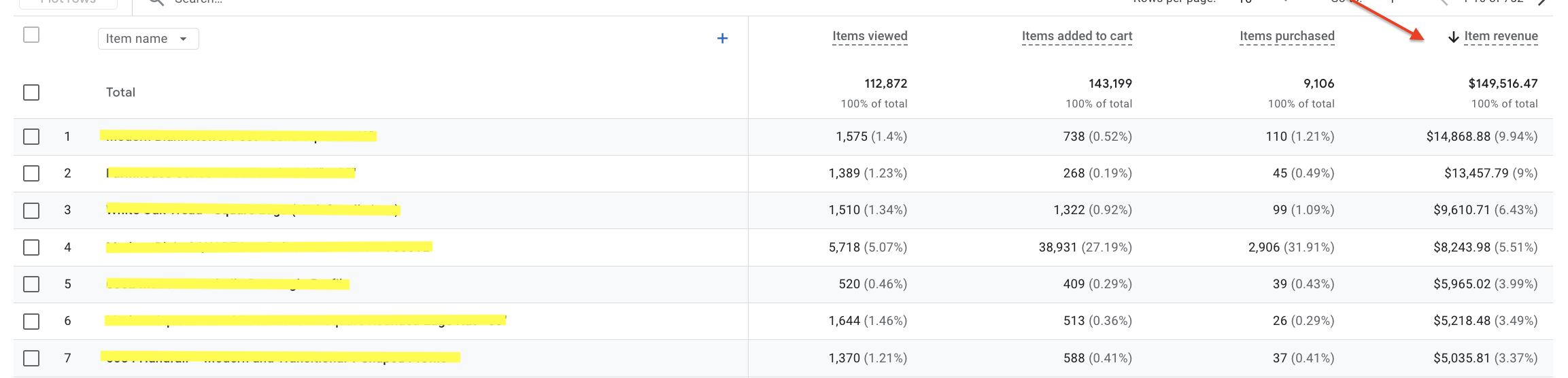
Many store owners try to optimize every product at once. While that feels productive, it rarely delivers strong results. SEO requires focused effort, and not all products offer the same return.
Start with products that already generate revenue, best sellers, high-margin items, or products that convert well from paid ads. These pages have already proven they can sell. Adding organic traffic simply increases volume and lowers acquisition costs. When demand and proven performance overlap, that’s where SEO delivers the highest ROI.
Step 4 – Product Page SEO: What Actually Works
On a Shopify product page, some elements carry more weight than others. Your title tag is one of the strongest ranking signals you control. It should clearly reflect the primary keyword while remaining concise and compelling enough to earn clicks.
Product descriptions should prioritize clarity and persuasion over keyword stuffing. Focus on benefits, answer objections, and naturally include relevant keyword variations. High-quality images with descriptive alt text, fast loading speeds, internal links from collections and related products, and visible reviews all strengthen both rankings and conversions.
Step 5 – Make Sure Google Sees Your Updates
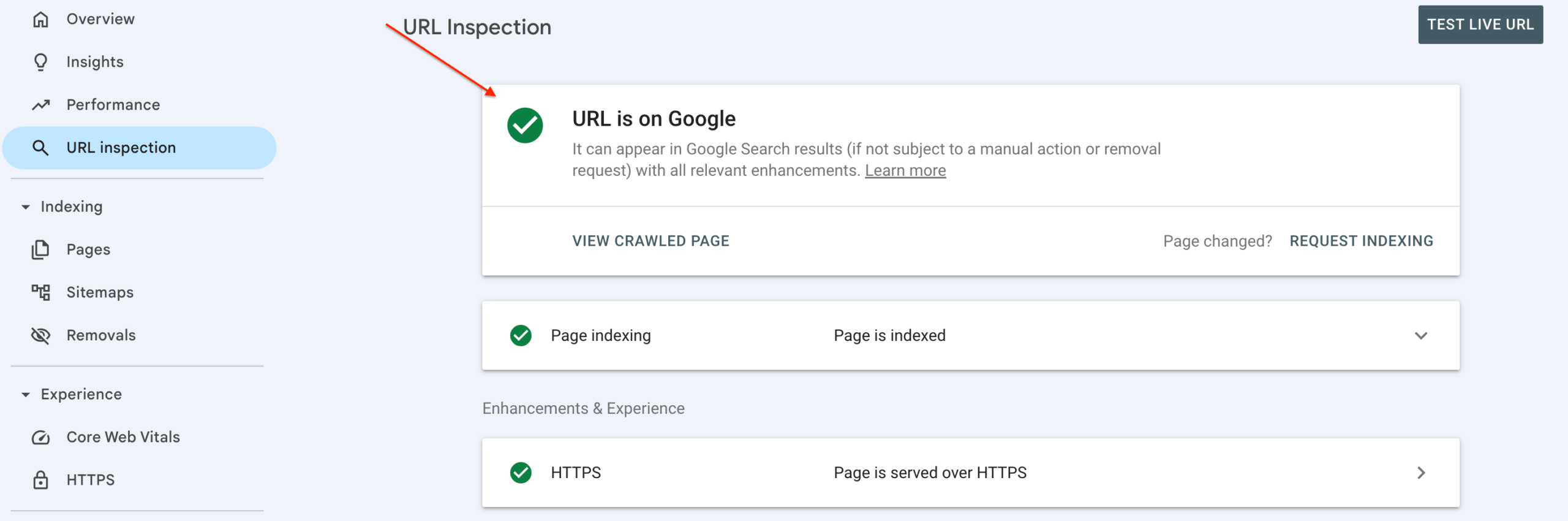
After optimizing a product page, don’t simply wait and hope Google notices. While search engines eventually crawl updated content, manually prompting them speeds up the process.
Use Google Search Console’s URL Inspection tool to request indexing after making changes. Also, ensure your sitemap is submitted and that pages aren’t blocked by no-index tags or technical issues. Shopify handles most fundamentals well, but verifying visibility prevents your work from going unnoticed.
Step 6 – Competitor Reality Check
Your true SEO competitors aren’t the Shopify brands you follow on social media; they’re the pages ranking above you in search results. Those pages have already earned Google’s trust, which makes them valuable benchmarks.
Analyze their structure, depth of content, use of reviews, FAQs, headings, and media. This isn’t about copying – it’s about identifying patterns in what Google consistently rewards. Aligning your product pages with proven structures increases your chances of ranking and competing long-term.
Final Thoughts
Shopify SEO isn’t about quick hacks or random optimization. It’s about validating demand, mapping keywords strategically, prioritizing revenue-driving pages, and improving product pages in ways that genuinely help buyers.
When these fundamentals are strong, everything else, technical improvements, content expansion, and authority building, compounds more effectively. Start with demand, focus on revenue, optimize with clarity, and build from there.
If you’re ready to turn your Shopify store into a consistent organic revenue channel, get in touch with Search Pros and let’s build a strategy that drives real growth.