
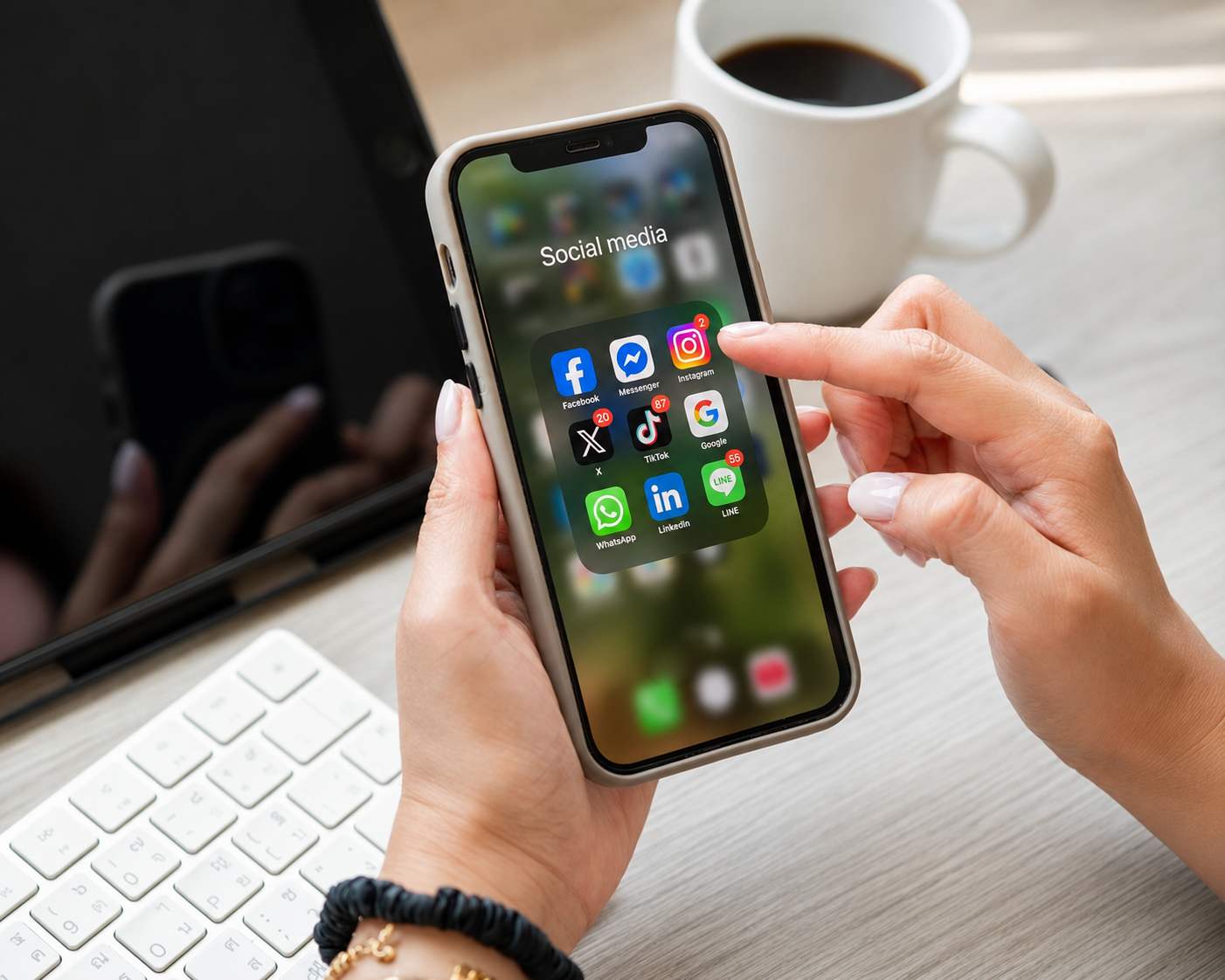
Many Shopify store owners believe the only way to grow is by posting on social media every day and hoping one video goes viral. While platforms like TikTok and Instagram can drive sales, relying on organic reach often means relying on an algorithm you can’t control.
A more predictable approach is to run paid ads for your Shopify store through platforms such as Google Ads and Meta Ads. Instead of waiting for customers to discover your content organically, paid advertising allows you to reach people who are actively searching on Google or introduce your products to relevant audiences through Meta.
In this blog, you’ll learn why going viral isn’t a requirement for building a successful Shopify store, why paid advertising should be one of your first growth strategies, and how you can create a predictable sales system that generates consistent orders without needing to post content every day.
Why Organic Social Media Alone Won’t Grow Your Shopify Store
Social media plays an important role in modern marketing efforts, but it is not a reliable standalone growth engine. Platforms like Instagram and TikTok are often seen as essential for driving organic traffic, yet their algorithms determine how content is distributed. This means that even high-quality social media posts may fail to reach your target audience consistently.
For many store owners, this creates frustration. Time and effort go into creating a content calendar, producing helpful content, and experimenting with different formats, only to see limited engagement. While social media marketing can help build trust and attract customers over time, it rarely provides a direct line to predictable sales.
Organic channels, including search engine optimization and content marketing, are valuable for long-term growth. They help e-commerce stores rank in search engine results, bring in free traffic, and establish authority. However, these free traffic sources take time to develop and are not always reliable in the early stages of a Shopify store.
The issue is not that organic traffic is ineffective, but that it is unpredictable. Many Shopify stores fail because they rely too heavily on these channels without a clear strategy to convert visitors into customers. To build a successful Shopify store, organic efforts should support your overall marketing strategy, not act as the primary driver of revenue.
Paid Ads: The Real Growth Engine
Paid ads provide a more controlled and scalable way to drive traffic and increase sales. Unlike organic channels, paid advertising allows you to reach your target customers directly, test different marketing messages, and measure performance in real time. This makes it easier to understand what works and where improvements are needed.
For example, instead of waiting for organic traffic, you can use Google Ads or social media platforms to place your product in front of high intent customers who are more likely to convert. This approach reduces uncertainty and helps you allocate your marketing budget more effectively.
Paid advertising also plays a key role in improving conversion rate. By analyzing data from Google Analytics or Shopify Analytics, you can identify where users drop off in the customer journey. This could be due to unclear product descriptions, high shipping fees, or a lack of trust signals on your product pages. Addressing these issues helps reduce lost sales and encourages purchases.
Another advantage of paid ads is the ability to scale. Once you find a campaign that works, you can gradually increase your ad spend to reach more potential customers. This creates a repeatable system for growth, allowing e-commerce stores to move beyond inconsistent traffic and build predictable revenue streams.
Meta Ads vs. Google Ads
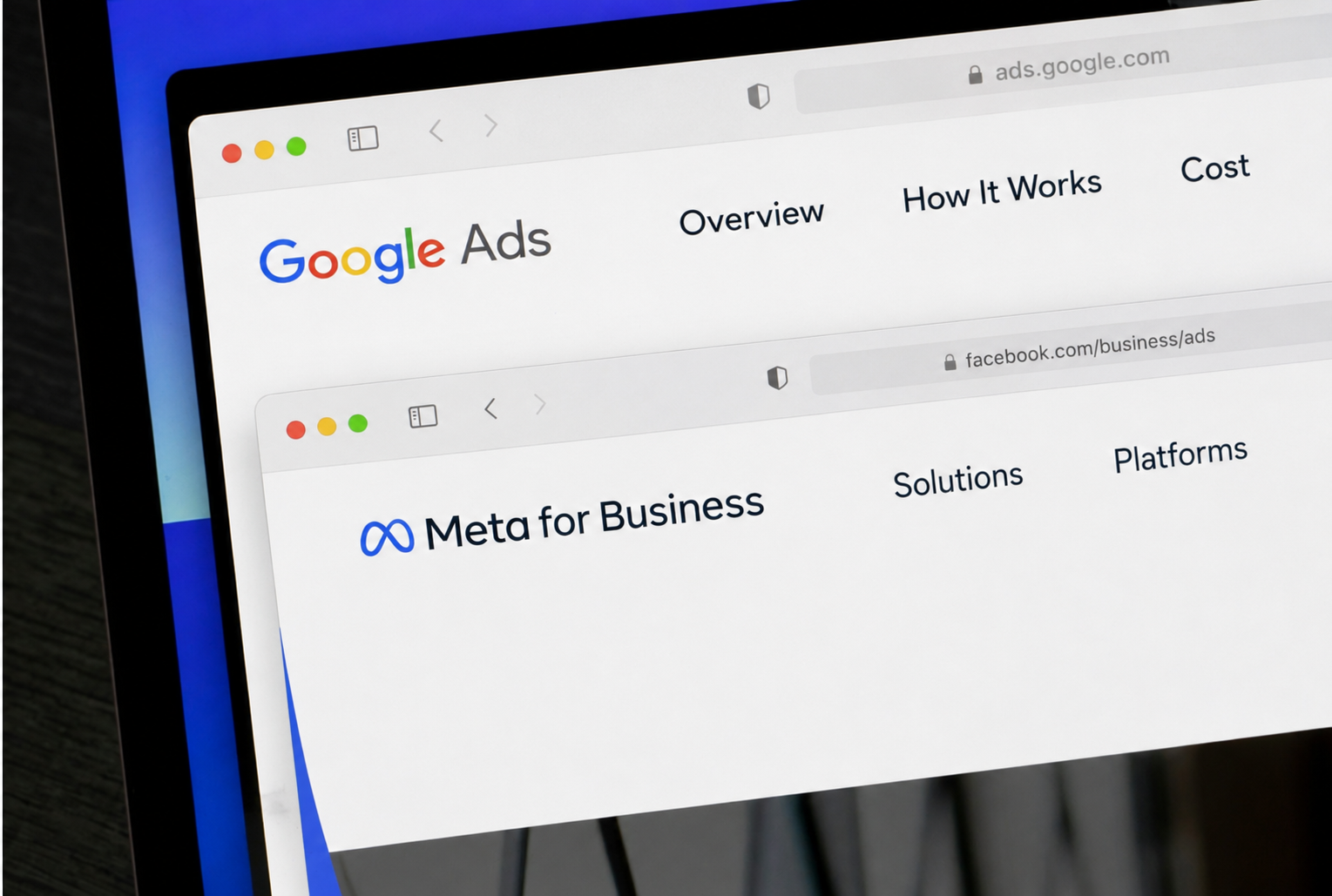
When it comes to paid advertising, Google Ads and Meta Ads are two of the most important platforms for Shopify stores. Their influence is reflected in their share of the global digital advertising market. According to a 2026 forecast, Meta is projected to account for 26.8% of global digital ad spending, slightly ahead of Google’s projected 26.4%.
Google Ads focuses on capturing demand. It targets users who are actively searching for products through a search engine. These users often have high intent, meaning they are already interested in shopping online and are closer to making a purchase. Google Shopping Ads, in particular, are effective for e-commerce stores because they display products directly in search results, making it easier to attract customers who are ready to buy.
Meta Ads, which include Facebook and Instagram, focus on creating demand. Users on these social media platforms are not actively searching for products, so your ads need to capture attention and generate interest. This makes creative elements such as visuals, messaging, and user generated content especially important.
In practical terms, Google Ads works well for reaching high intent customers through search results, while Meta Ads helps introduce your product to new customers who may not have been aware of it. Both can be effective, but the choice depends on your product and target audience. A balanced approach often involves starting with one platform, validating your offer, and then expanding into additional marketing channels.
What You Need Before Spending Money on Ads
Before launching paid ads, make sure your Shopify store is ready to convert visitors into customers. Advertising doesn’t fix weak stores, it simply sends more traffic to them.
Start with a strong offer. Your pricing, positioning, and incentives, such as bundles, discounts, or free shipping should give shoppers a clear reason to buy from you instead of a competitor.
Next, optimize your product pages. Use clear product descriptions, high-quality images, transparent pricing, shipping information, and a simple mobile-friendly checkout. Offering payment options like Apple Pay and Google Pay can also improve conversions.
Build trust by showcasing customer reviews, testimonials, and user-generated content. Social proof helps reduce hesitation and encourages more purchases.
Finally, set up Google Analytics and Shopify Analytics before spending on ads. Tracking your data allows you to measure performance, identify bottlenecks, and make informed decisions.
Remember, your first ad campaigns are about testing and learning. The data you collect will help you refine your targeting, messaging, and offers, creating a stronger foundation for predictable, long-term Shopify growth.
The 90-Day Blueprint for Predictable Shopify Sales
Building consistent sales starts with a clear plan. Here’s a simple 90-day framework to help your Shopify store grow.
Days 1–15: Build the Foundation
Optimize your product pages, improve your offer, streamline checkout, and set up tracking with Google Analytics and Shopify Analytics. Your goal is to prepare your store for paid traffic.
Days 16–30: Launch Your First Campaign
Start with one platform, such as Google Ads or Meta Ads. Drive targeted traffic and monitor clicks, engagement, and conversions to see how shoppers respond.
Days 31–60: Fix What’s Holding You Back
Use your data to identify bottlenecks. Improve ad creative if clicks are low, optimize product pages if conversions are weak, or simplify checkout if customers are abandoning their carts.
Days 61–90: Scale What Works
Increase ad spend on profitable campaigns, continue testing new creatives and offers, and invest in email marketing and customer retention to generate repeat sales.
Following this structured approach helps you build a Shopify store that generates predictable, scalable sales instead of relying on viral moments.
Final Thoughts
Growing a successful Shopify store doesn’t require millions of followers or a viral social media post. Predictable growth comes from building a strong foundation, understanding your customers, and using data to make smarter marketing decisions. By combining an optimized store with strategic paid advertising, you can create a scalable system that consistently attracts qualified traffic and turns visitors into customers. Search Pros can help you develop and optimize that complete system.
Get in touch with Search Pros today to start building more consistent Shopify sales.
Frequently Asked Questions
How much should I spend on Shopify ads as a beginner?
There’s no one-size-fits-all budget, but many new Shopify stores start with $20–$50 per day on a single platform. The goal isn’t to generate instant profits, it’s to collect data, identify winning campaigns, and optimize based on real customer behavior before increasing your budget.
What is a good conversion rate for a Shopify store?
While conversion rates vary by industry, Shopify generally considers 2–3% a healthy benchmark. If your rate is below that, reviewing product pages, pricing, checkout flow, and trust signals can help identify opportunities to improve performance.
How long does it take for Shopify ads to generate sales?
Some stores see sales within a few days, while others may need several weeks of testing. Results depend on factors such as your product, offer, competition, and website experience. Consistently reviewing and optimizing your campaigns is key to improving performance over time.
Should I focus on getting more traffic or improving my conversion rate?
Both matter, but improving your conversion rate often delivers a faster return on investment. Increasing traffic to a store that doesn’t convert well usually results in higher advertising costs without significantly increasing sales.
Can SEO and paid ads work together for Shopify?
Yes. SEO and paid advertising complement each other. Paid ads can generate immediate traffic and sales while your SEO strategy builds long-term organic visibility. Using both creates a more balanced marketing strategy and reduces reliance on any single traffic source.
There’s no one-size-fits-all budget, but many new Shopify stores start with $20–$50 per day on a single platform. The goal isn’t to generate instant profits, it’s to collect data, identify winning campaigns, and optimize based on real customer behavior before increasing your budget.
While conversion rates vary by industry, Shopify generally considers 2–3% a healthy benchmark. If your rate is below that, reviewing product pages, pricing, checkout flow, and trust signals can help identify opportunities to improve performance.
Some stores see sales within a few days, while others may need several weeks of testing. Results depend on factors such as your product, offer, competition, and website experience. Consistently reviewing and optimizing your campaigns is key to improving performance over time.
Both matter, but improving your conversion rate often delivers a faster return on investment. Increasing traffic to a store that doesn’t convert well usually results in higher advertising costs without significantly increasing sales.
Yes. SEO and paid advertising complement each other. Paid ads can generate immediate traffic and sales while your SEO strategy builds long-term organic visibility. Using both creates a more balanced marketing strategy and reduces reliance on any single traffic source.