
When a customer lands on a product page, they are not just evaluating features or comparing prices. They are responding to emotions, instincts, past experiences, and subtle psychological triggers that shape their decisions. In e-commerce, understanding this behavior is the difference between a visitor who bounces and a visitor who converts.
This is why the best product pages do more than showcase items. They speak to the way people think, feel, and ultimately choose.
Below is an overview of the psychology of buying and how businesses can use these insights to build product pages that turn interest into action.
Understanding Consumer Behavior
Every click, scroll, and purchase is driven by the consumer. People do not buy products simply because they need them. They buy them because the product fits their identity, solves a problem, or makes them feel a certain way.
A strong product page taps into three psychological forces:
Social proof: When people see reviews, testimonials, or user-generated content, they feel safer making a purchase. The logic is simple. If others liked it, it must be good.
Perceived value: This is not the same as price. A customer may gladly pay more if they believe the product offers greater quality, convenience, or status.
Emotional connection: People choose with emotion first and justify with logic later. A good product page understands this and creates a mood that supports the purchase.
By combining these elements, businesses build pages that reflect what customers want and how they think.

The Psychology Behind Impulse Buying
Impulse buying is one of the most powerful forces in e-commerce. People often make spontaneous purchases not because they planned to but because the moment felt right.
Product pages that encourage impulse buying usually share three traits:
- Clean and visually appealing design that is easy to skim and navigate.
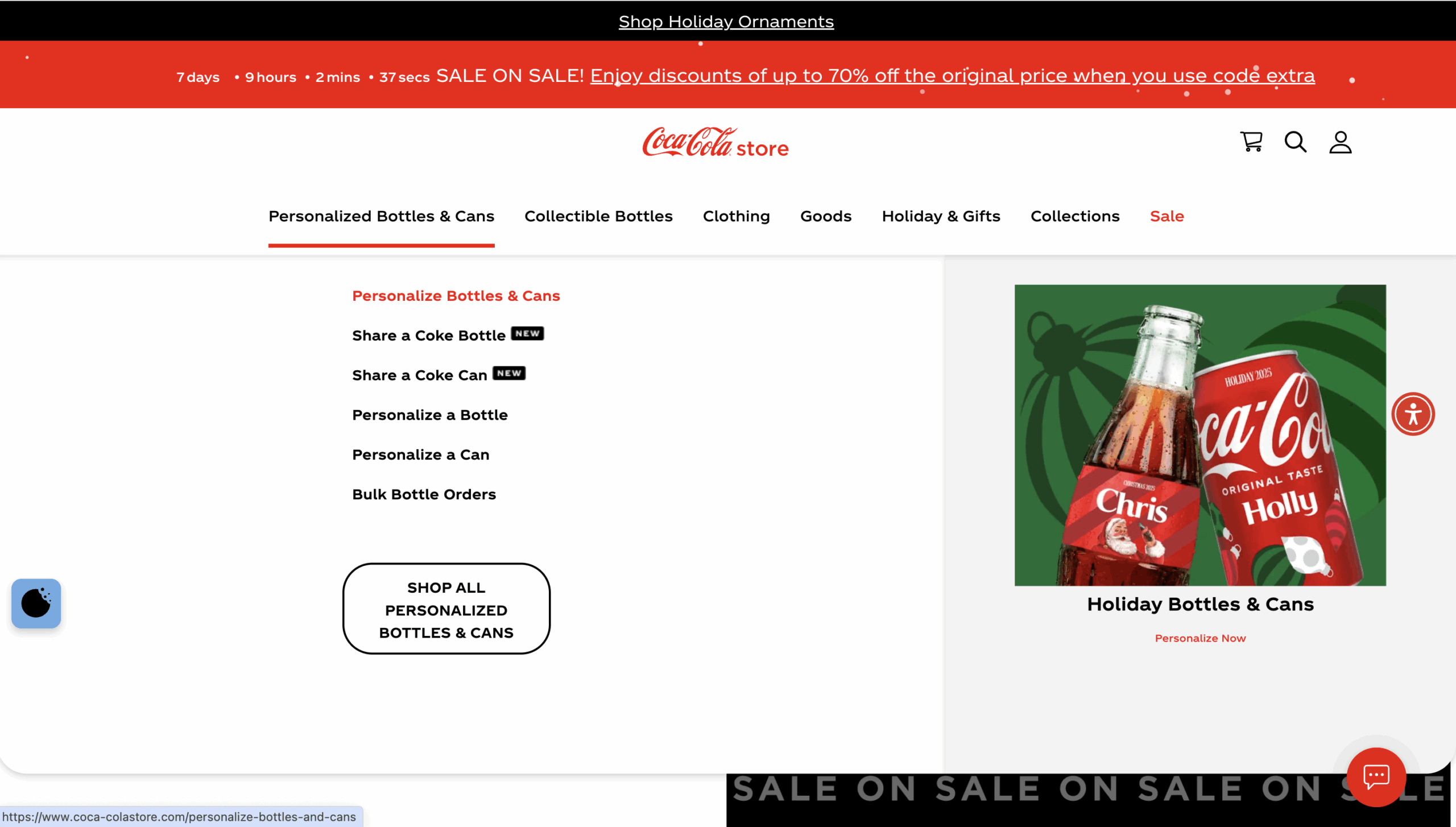
- Clear urgency cues, such as low stock alerts or countdown timers.
- Frictionless checkout, reducing the steps between desire and purchase.
Free trials, bundles, and limited edition drops also work well because they create a reason to act now instead of later. When the emotional spark meets a seamless experience, impulse buying becomes natural
Emotional Triggers in Buying Decisions
Emotions are the engine behind buying decisions. Excitement, nostalgia, belonging, pride, and even relief can influence how quickly a customer moves from interest to checkout from a product page.
For example:
A limited-time discount creates excitement.
A product that feels familiar sparks nostalgia.
A brand community creates a sense of belonging.
When a customer is emotionally engaged, the chances of impulse purchasing rise dramatically. This is why brands use warm storytelling, lifestyle imagery, and strong value statements. These emotional cues pull customers in and reduce hesitation.
Understanding Customer Needs and Preferences
No product page succeeds without data. Analytics reveal what customers love, what they ignore, how long they stay, and where they drop off.
Businesses can use this information to tailor their pages by answering questions like:
What features matter most?
What benefits do customers talk about in reviews?
Which images drive higher engagement?
Where do people hesitate during the buying journey?
Customer feedback is equally valuable. Reviews do not just reassure new buyers. They highlight areas for improvement, clarify expectations, and reveal opportunities to optimize messaging. The more businesses understand their audience, the more effective their product pages become.
E-commerce Marketing Strategies
A great product page cannot perform if no one sees it. That’s where marketing comes in. Social media marketing, email campaigns, influencer partnerships, and retargeting ads help drive qualified traffic to product pages. But the real power comes from combining these strategies with psychology.
Marketing taps into:
Scarcity (only a few left)
Social proof (best seller or trending now)
Consistency (customers who viewed this also purchased)
These subtle nudges guide customers toward taking action. They also build familiarity and trust, two essential elements for long-term customer relationships.

The Power of FOMO (Fear of Missing Out)
The fear of missing out is one of the most influential drivers on an e-commerce product page. People hate the idea of being left out, losing a deal, or missing an exclusive moment.
FOMO triggers include:
- Limited-time offers
- Exclusive drops
- Low stock alerts
- Members-only discounts
When customers feel that an opportunity will not last, they act faster. FOMO speeds up decisions and increases the perceived value of the product by making it feel more desirable.
Pricing Strategies and Value Perception
Price is never just a number on a product page. Customers judge whether something is worth it based on the value they believe they will get.
Businesses can shape this perception through:
Anchoring (showing a higher original price for comparison)
Bundles (making savings feel bigger)
Scarcity (increasing perceived value)
The goal is not to be the cheapest. It is to help customers understand why the product is worth the price.

Cognitive Biases and Buying Behavior
People rely on shortcuts when making decisions. These mental shortcuts, or cognitive biases, influence how they evaluate options. This happens on product pages as well.
For example:
The decoy effect makes one option seem more attractive by placing it next to a less appealing version.
The anchoring effect shapes how people view price by showing a higher number first.
When businesses understand these biases, they can create product pages that guide customers naturally toward the best choice.
Storytelling and Emotional Connection
Storytelling and emotional connection play a powerful role in shaping how customers feel about a brand. When businesses use storytelling effectively, they create a deeper emotional bond that not only drives sales but also builds a sense of community and belonging.
A compelling story can make a product feel more legitimate, more premium, and more meaningful in a customer’s life. It can even introduce a sense of urgency by helping shoppers visualize the value they might miss out on. Through storytelling, brands transform ordinary product pages into memorable experiences that connect, resonate, and inspire action
Final Thoughts on Product Page Psychology
People do not buy products. They buy feelings, solutions, identity, and confidence. When a product page understands the psychology behind these decisions, conversions rise naturally.
By combining emotional triggers, data insights, strong storytelling, and smart marketing psychology, businesses can create product pages that truly connect with customers and inspire them to act.
At Search Pros, we help our clients apply these psychology-driven strategies to achieve higher sales and stronger e-commerce performance. Get in touch today to optimize your product pages and turn more visitors into customers.